


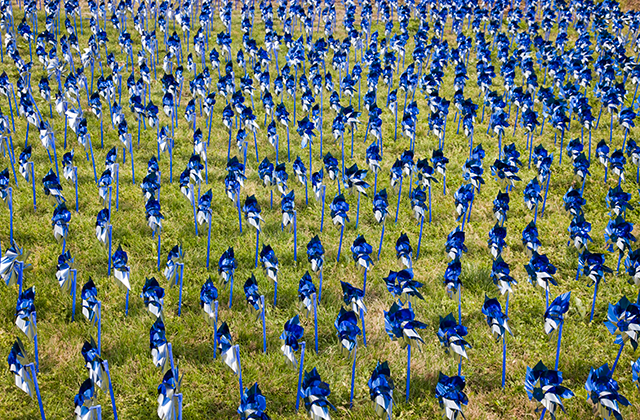
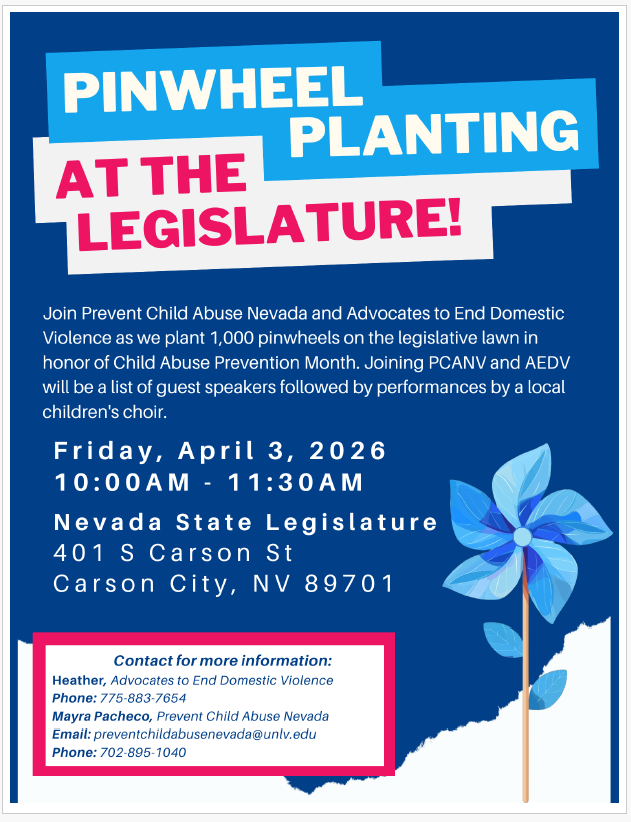
National Child Abuse Prevention Month:
Building Strong Families Together


     CHILD MALTREATMENT KEY FACTS

  • Consequences of child maltreatment include impaired lifelong physical and mental health, and the social and occupational outcomes can ultimately slow a country's economic and social development.
  • Child maltreatment is often hidden. Only a fraction of child victims of maltreatment ever gets support from health professionals.
  • A child who is abused is more likely to abuse others as an adult so that violence is passed down from one generation to the next. It is therefore critical to break this cycle of violence, and in so doing create positive multi-generational impacts.
  • Preventing child maltreatment before it starts is possible and requires a multisectoral approach.
  • Effective prevention approaches include supporting parents and teaching positive parenting skills, and enhancing laws to prohibit violent punishment.
  • Ongoing care of children and families can reduce the risk of maltreatment reoccurring and can minimize its consequences.

A FEW KIND WORDS

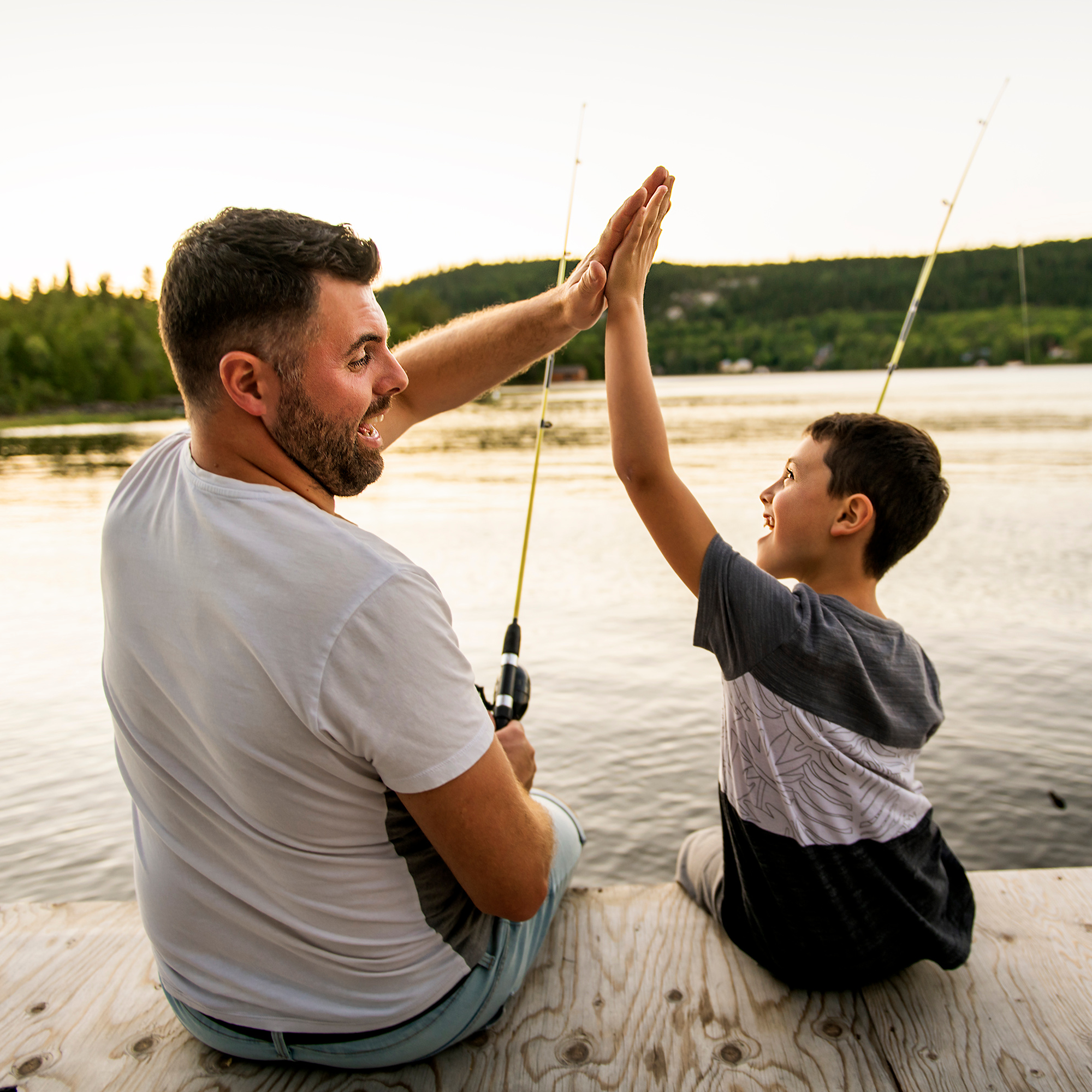
We all know that a few kind words can change your entire outlook on a situation, but it can be a challenge to think of positive things to say in the moment. So, we’ve compiled a list of expressions to use in various situations to help parents be their children’s biggest champions. Accept the Words Matter Challenge and start a lifelong habit.
- Words Matter – Words of Encouragement for Children | Family Services (fairfaxcounty.gov)
  • I love you
  • You can do it
  • You are a good person
  • I am grateful for you
  • I am proud of you
  • You are special
  • That was a really good choice
  • Mistakes mean you are trying
  • You matter
  • You are an amazing person
  • Just be yourself

  • You are a creative thinker
  • Do your best
  • I trust you
  • It’s not your fault
  • You make a difference
  • You are one of a kind
  • You are brilliant
  • You have choices
  • You are worthy
  • You were right
  • It's okay to be scared (or sad)

  • It's your body
  • You have a voice
  • Love yourself
  • I see you are trying
  • I believe in you
  • How can we work together to fix this?
  • I am here to listen
  • You are safe
  • It will be okay
  • You are a great helper
  • What a great question/idea


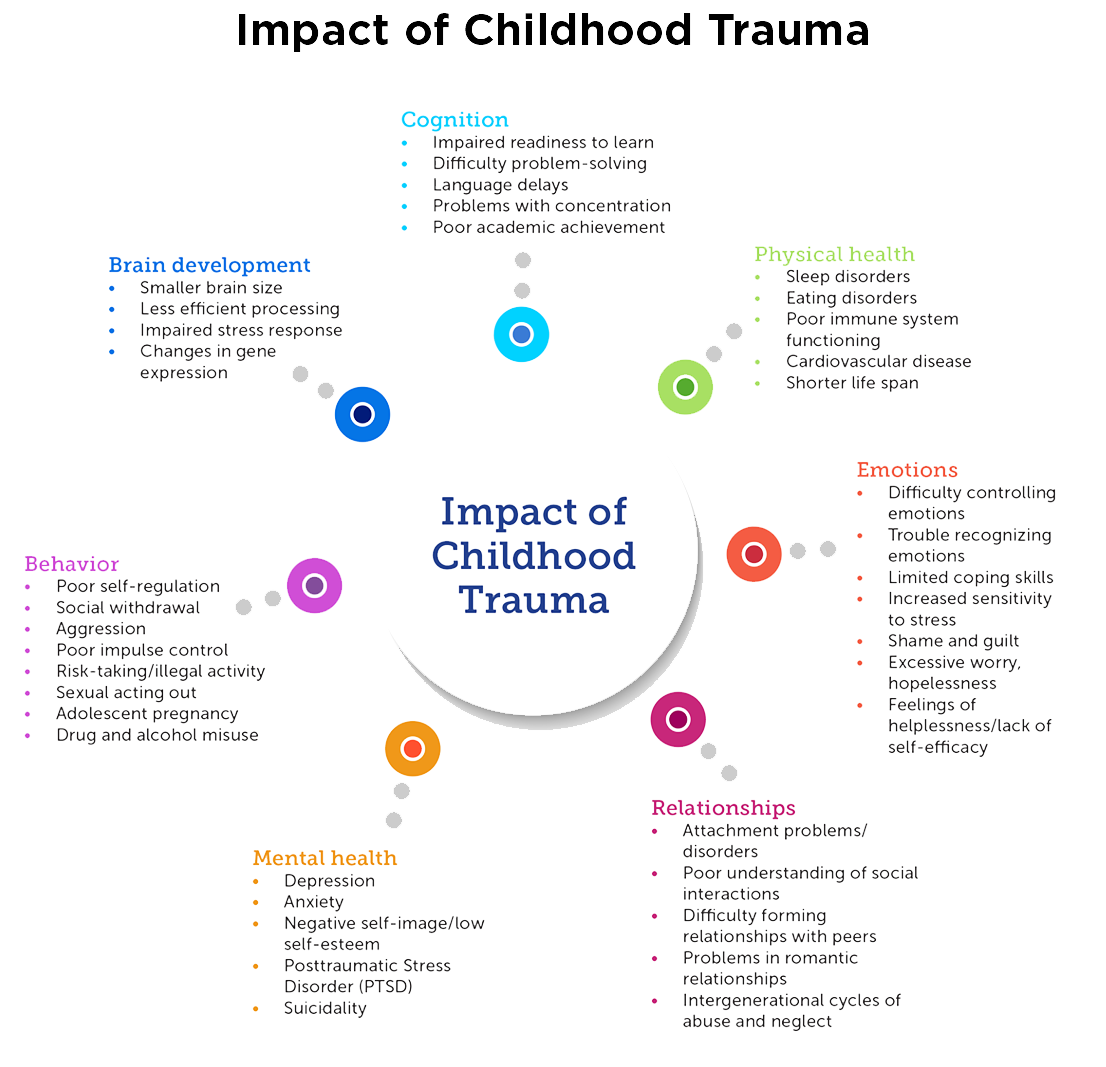
Infographic Courtesy of Child Trends


WHAT FACTORS PROTECT A CHILD FROM RISK OF ABUSE OR NEGLECT?


  • Children’s optimism, high self-esteem, intelligence, creativity, humor and independence, which enhance their coping skills in the face of adversity.
  • Parent's or caregiver’s respectful communication and listening, consistent rules and expectations, and safe opportunities that promote independence.
  • The family’s access to social supports, neighborhood stability and access to safe schools and adequate health care.
  • The child's experience of love, acceptance, positive guidance and protection from a caring adult, which encourages trust that their parents or caregivers will provide what they need to thrive.

  • The acceptance of peers and positive influences such as teachers, mentors and role models.
  • Parents or caregivers who can cope with the stresses of everyday life and have the inner strength to bounce back when things are not going well.
  • Parents or caregivers with a social network of emotionally supportive friends, family and neighbors.
  • Families who can meet their own basic needs for food, clothing, housing and transportation and know how to access essential services such as childcare, health care and mental health services.

About Us

Nevada's Just in Time Training is a web based service program designed to connect foster parents, kinship or other caregivers with training, peer experts and other resources. Questions are answered and practical solutions to care for children are discussed - all from the comfort of your home or office.

Accessibility

If you have difficulty accessing any material on this site, please contact us in writing and we will work with you to make the information available. You can direct your request to JITSupport@USF.edu.
Nevada's Abuse Hotline

1-(833) 803-1183